
According to the Australian Bureau of Meteorology, 2025 was the country’s fourth warmest year since records have been kept at 1.23°C above the long-term average. Windows will bear the brunt of any warming that the summers might experience because the windows allow the heat of the sun directly into homes. External window shrouds can block most of that heat before it hits the glass.
Preventing Heat Before It Enters
Blinds prevent glare, but by then the heat would already be past the windows and inside the house anyway. The heat that is trapped behind the blinds will still radiate into the room. The shrouds prevent the heat from reaching the glass itself.
The windows may be one of the greatest sources of heat entering a home. The amount of heat is dependent on the size and orientation of the window, type of glass, and shading. A shroud will reduce this burden without having to use any device.
Orientation Dictates the Design Rules
North-facing windows generally work well with horizontal shading that features greater projection at the top. The high summer sun hits the shading device and gets bounced back out. The lower winter sun passes underneath and heats up the rooms in winter when it is needed.
The east and west windows react completely differently. The morning and afternoon sun enters at a lower angle and passes under the overhang. Fins or even a full frame device will collect more sunlight.
It is far more important to match the orientation with the right design than it is to have a large shading device. The wrong oriented shading device could be blocking the needed winter sun.
All Three – Depth, Colour and Materials – Are Involved
The depth of a shroud determines how much of the window remains shaded throughout the day. Shallow frames mainly serve decorative purposes, while deeper projections are meant for protecting windows from sunlight during summer months. The depth should depend on the height of the window and the sun angles specific to the area.
Colour and materials are important as well. Dark metal attracts heat and is capable of reflecting some of it into the glass and the wall. Light colours stay cool under full sun exposure, which may be useful for the west wall.
Collaboration with Other Measures
Combination of these two measures proves to be most efficient. The use of double glazing and low emissivity glass reduces the amount of heat entering the house. The shroud, in turn, reduces the amount of sunlight falling onto these windows.
In case there is no option to install new glass in old houses, shading becomes a cheaper alternative. This measure will not be as effective, yet it will definitely make a difference.
Shrouds and Victoria’s Building Regulations
As of 1 May 2024, the state of Victoria has implemented a 7-star energy rating requirement for newly built homes. In response, glazing and shading have become more critical to evaluate design. Shrouds may assist in this regard, although one alone cannot secure a rating.
As of 1 May 2026, Victoria has also adopted the 2025 version of the National Construction Code. This new version usually comes into play for any project where the design stage has not yet begun. Those undertaking an extension or renovation of their property should determine the relevant regulations from their building surveyor.
Other Advantages
In addition to their obvious advantages, shrouds can also offer benefits through less obvious means:
- Reducing rainfall and UV light from reaching certain parts of the window, contingent on depth and design.
- Reducing screen glare in home offices.
- Some screening from neighbouring windows, contingent on sight lines.
Noise is another story, however. There is very little reduction achieved without the right glass, seals and window frame.
Installing Shrouds on an Existing Property
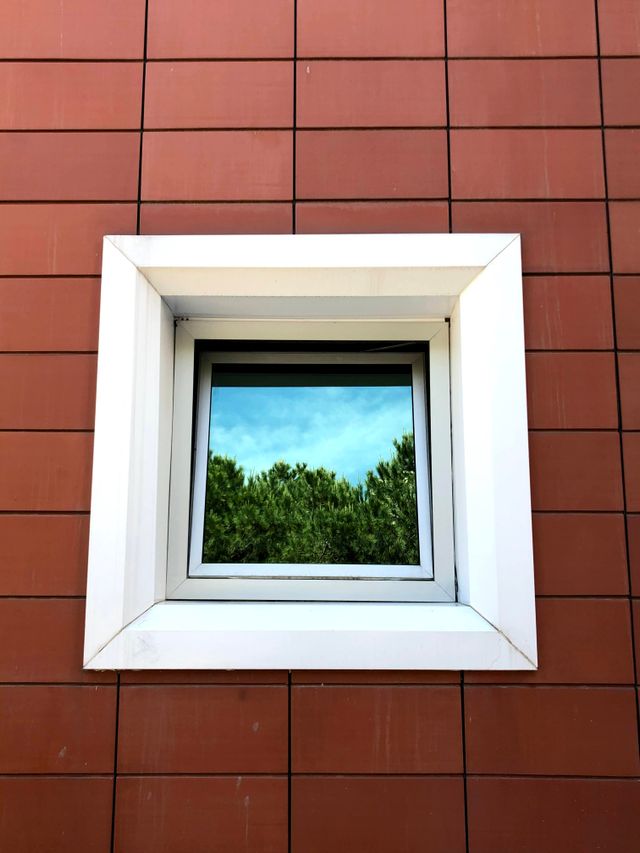
There are logistical issues involved before the metal is ordered. There is often a requirement for planning permission where heritage overlays or neighbourhood character controls are in place. Building permits might also be needed based on the size and attachment methods of the shroud.
The material of the wall will determine the installation method. Fixing methods differ for brick veneer, weatherboards, and rendered foam. Rendered walls require particular attention, as poor fixing will lead to cracking and allow water to penetrate.
Shrouds that complement the sun position will give your summer room a more relaxed feeling. Determine the orientation of the windows, local regulations, and base your shroud dimensions on the position of the sun, not the image from the brochure.