
Upholstery can add a touch of elegance to any space, but it’s not immune to the occasional mishap. Whether you’re hosting friends for dinner or enjoying a quiet evening with snacks, spills and stains are bound to happen. From red wine accidents to muddy paw prints, upholstery stains can be frustrating and unsightly.
But don’t worry! There are effective ways to tackle those pesky marks without damaging your furniture. With a little know-how and some handy tips, you can restore your upholstery back to its former glory in no time. Ready? Let’s dive into the best strategies for removing stains from upholstery so that your favorite pieces look fresh again!
Common Types of Upholstery Stains
Upholstery stains come in various forms, each requiring a different approach for successful removal. Food spills are among the most common culprits. Whether it’s a splash of sauce or crumbs from your favorite snack, these can quickly mar your fabric. For a deeper understanding, the brilliance carpet cleaning couch cleaning guide offers helpful insights and techniques to effectively tackle different types of stains and keep your upholstery looking fresh and well-maintained.
Then there are drink accidents. Coffee, wine, and soda often leave behind stubborn marks that seem impossible to lift without professional help.
Pet-related stains also pose a challenge. From muddy paw prints to those unexpected accidents, they can be tricky but manageable with the right techniques.
Ink stains aren’t just limited to kids’ crafts; pens tend to leak at inconvenient times too. These dark spots require careful attention before they set in.
Grease stains from oily substances frequently find their way onto upholstery during casual meals or while cooking in the kitchen. Each stain type demands its own strategy for effective cleaning and restoration.
Precautions and Safety Measures
When tackling upholstery stains, it’s essential to prioritize safety. Always start by testing any cleaning solution on a small, inconspicuous area of the fabric. This helps ensure that your choice won’t damage or discolor the material.
Ventilation is another key factor. Open windows or turn on fans while you clean to avoid inhaling fumes from commercial products or homemade solutions.
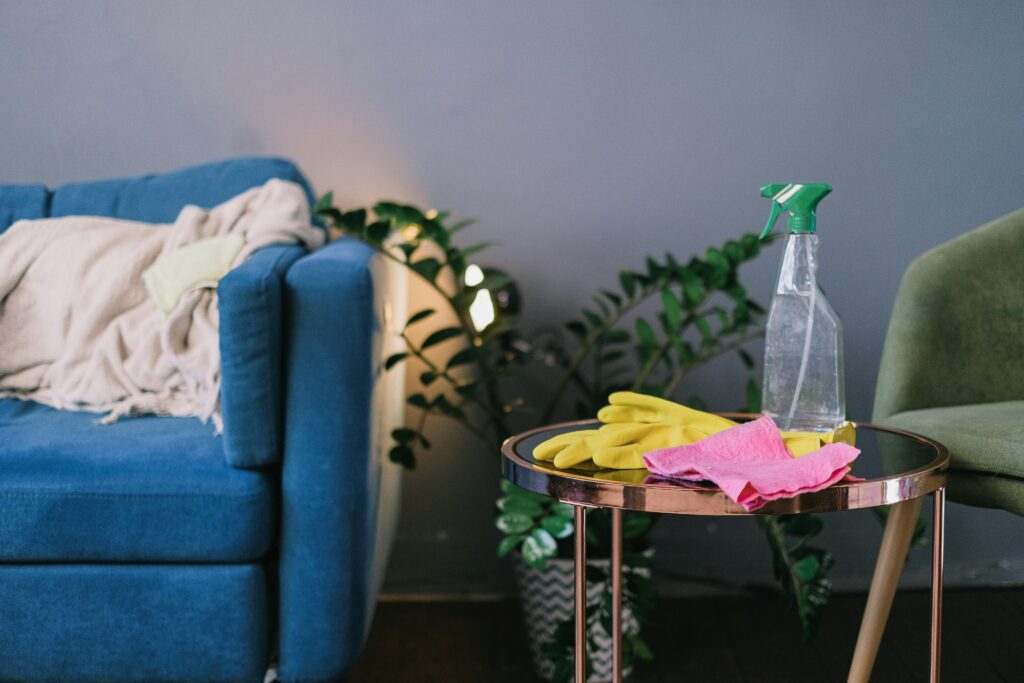
Wear gloves when handling strong chemicals to protect your skin from irritation. If you’re using natural remedies, be cautious about allergens; some people may react to common ingredients like vinegar or baking soda.
Keep pets and children away from the cleaning area until everything has dried completely. This prevents accidental contact with wet surfaces that could lead to further stains or even slips and falls. Taking these precautions can help make your upholstery cleaning experience safe and effective.
Natural Remedies for Removing Stains
Natural remedies can be an effective way to tackle upholstery stains without harsh chemicals. One popular option is white vinegar. Mix equal parts of vinegar and water in a spray bottle, apply it to the stained area, then blot with a clean cloth.
Baking soda also works wonders. Sprinkle it directly onto the stain and let it sit for about 15 minutes. This will help absorb odors while lifting the stain from the fabric.
For grease stains, dish soap combined with warm water can be your best friend. Apply a small amount directly onto the stain and gently scrub with a soft brush or cloth until it lifts away.
Another powerful ally is club soda. Pour some on dark stains such as wine or coffee, letting its carbonation work magic before blotting up excess liquid.
Commercial Cleaning Products and Methods
When it comes to tackling upholstery stains, commercial cleaning products can be a powerful ally. These products are specifically formulated to target and break down tough stains that might resist natural remedies.
Many brands offer specialized formulas for different types of fabrics, ensuring you get the right solution for your upholstery. Look for enzymatic cleaners which work effectively on organic stains like food or pet messes. Always read the label carefully to ensure compatibility with your fabric.
Spray-on solutions are popular because they provide convenience and ease of use. Simply apply, let it sit according to the instructions, and then blot or scrub away the stain. It’s essential not to saturate the fabric too much – over-wetting can lead to water damage or mold growth.
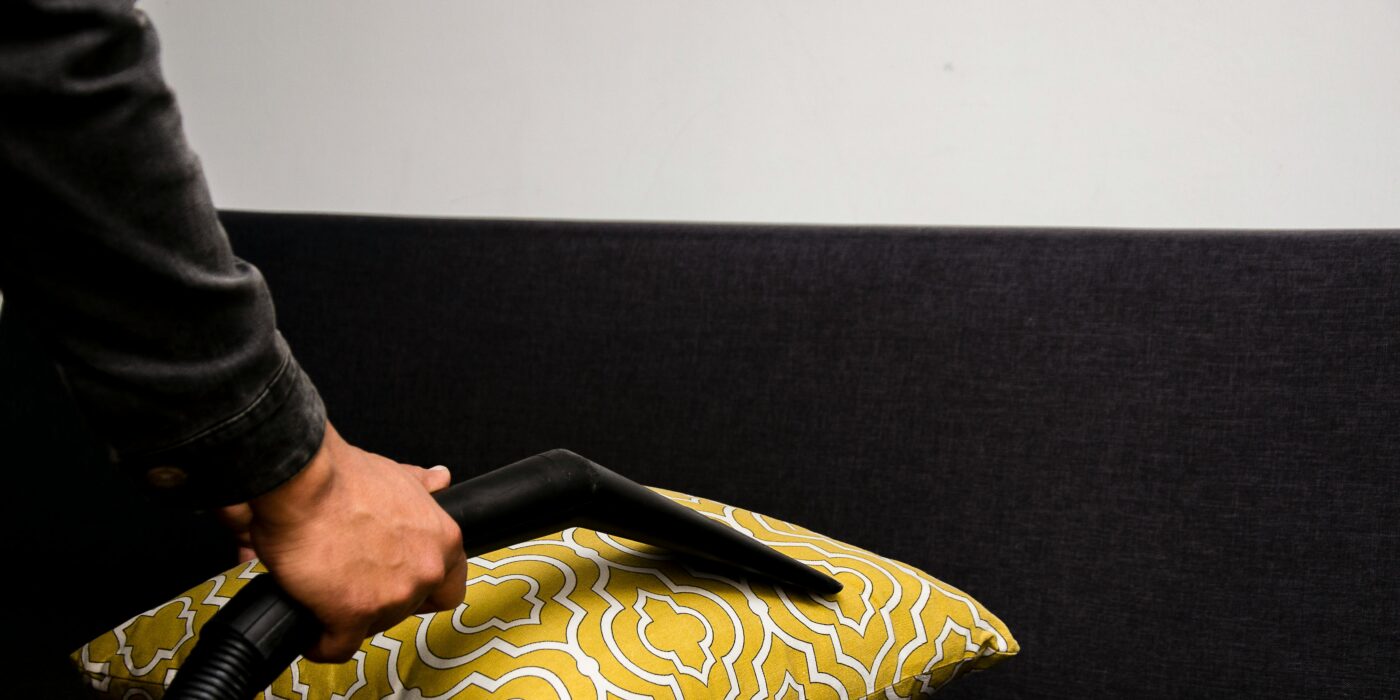
Steam cleaners also deserve mention here as they utilize heat and moisture without harsh chemicals, making them effective at lifting dirt from deep within fibers while sanitizing surfaces simultaneously. Many steamers come with attachments designed specifically for upholstery care.
Don’t forget about professional services if DIY methods seem overwhelming! Professional cleaning can rejuvenate old furniture by using advanced techniques that tackle stubborn stains thoroughly.
While there is no one-size-fits-all approach when it comes to removing stains from upholstery, combining knowledge of common stain types with appropriate cleaning methods—whether natural or commercial—can make all the difference in restoring your furniture’s appearance.