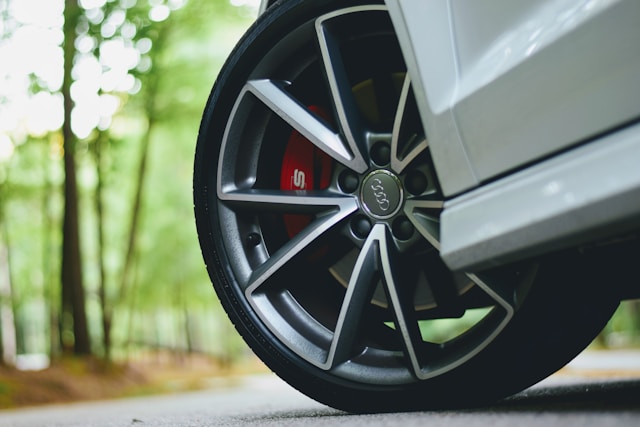

You clip a kerb at a roundabout, catch a glimpse of the wheel, a graze for sure, and just keep driving. This has happened to a fair few Perth drivers at some stage, and most just shrug it off and keep going. But that graze isn’t always as innocent as it seems. Underneath an alloy wheel, even a minor kerb strike can set off a whole chain of problems that only become clear when a tyre starts losing air for no apparent reason, or when you start getting vibrations through the steering when cruising down the freeway at 90 km/h. By that time, you’ve probably been driving around with a dodgy wheel for weeks.
Why Alloy Wheels Go South In A Different Way To Steel Wheels?
Mag wheels are made using a special alloy, usually a mix of aluminium, which gets pressed into a shape that’s much lighter and stiffer than a standard steel wheel. The added stiffness is what gives the performance benefit. Steel wheels can absorb the shock of an impact by flexing a bit; alloy wheels can’t do that. So when you do hit a kerb, the alloy wheel either develops tiny cracks inside, chips at the edge or in the worst cases, snaps completely. The bit where the tyre beads sit is the most vulnerable spot and where damage can really compromise the whole shebang.
Why That Surface Scratch Isn’t Always As Harmless As It Looks?
A seemingly minor gouge on the rim edge can actually be hiding hairline fractures that you wouldn’t even spot unless you looked really closely or had a specialist test done. And once those fractures start leaking air, drivers often just think the problem is with the valve rather than the wheel itself. And so the tyre gets pumped up again and again while the underlying issue just gets swept under the carpet. After a while, the vibration caused by the out of round deformation starts causing problems on the highway, and by then most people just blame their alignment rather than the wheel.
Running on a wheel that’s not quite right can seriously increase the risk of blowing a tyre while driving. And that’s not the same as a slow leak in a car park. When that happens on the freeway, it can have some pretty serious consequences.
What Actually Qualifies As Fixable?
Not all mag wheel repair Perth jobs are created equal, and not all wheels with damage can be fixed. Just doing a bit of cosmetic work, re machining the rim and giving it a fresh coat of paint, is fine if the structural bits are still solid. A bit of a bend in the alloy can sometimes be sorted out using heat and the right equipment, as long as the shop’s got the right tools for the job. But if the welds are cracked, the flange is broken or the wheel is all deformed across the board, you’re better off not using it anymore, it’s just a matter of how much risk you’re willing to take.
Western Australia’s intense UV light just adds another level of complexity to the whole repair question. Powder coated wheels that have been fixed need to have that repair joint sealed properly, or the UV in Perth’s summer sun will just go and attack it faster than anything else.
New Versus Used Replacement Wheels
In cases where a wheel is simply not salvageable, then buying a used alloy from Perth via the tyre shop or through the dismantler can result in considerable savings. It all comes down to checking the offset of the wheel – the ET figure engraved on it. Any problems here will change the steering geometry and cause tyre insurance issues. Used wheels sourced from the same manufacturer as the OEM will have fewer uncertainties associated with them than the aftermarket alloys of questionable casting. Reputable aftermarket alloys should have ADR certification and load ratings specified. Used alloys without brand marking or certification have an undocumented history of load application.
The Test That Is Skipped By Most Perth Drivers
Mag wheel repairs Perth results in many wheels coming in for examination only when vibrations have been noticeable and tyres seated incorrectly. In such cases, the opportunity for cheaper repair will likely be missed. Getting an official inspection is much cheaper than getting a new tyre, much cheaper than a new wheel and significantly cheaper than what may happen if a wheel fails while driving. The kerb clip which looks like nothing else is definitely worth more than a cursory glance and a shrug. A professional inspection takes less time than most motorists believe. What it reveals, or rules out, is very important information before getting on the freeway again.