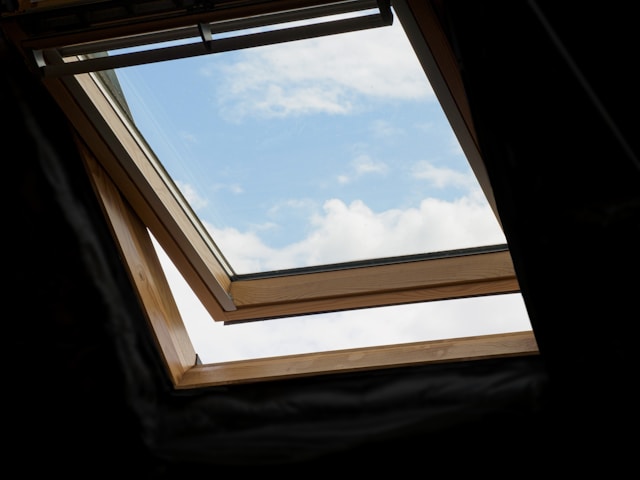

Perth is a city where getting skylights right should be a doddle. After all, the sun is as reliable as clockwork, the housing stock is mostly single-storey and the natural light is always plentiful. But still, we see rooms overheating in summer, light shafts turning a funny yellow and discolouring and roof penetrations letting in water. And it usually all comes down to decisions made before a single hole is even cut in the roof.
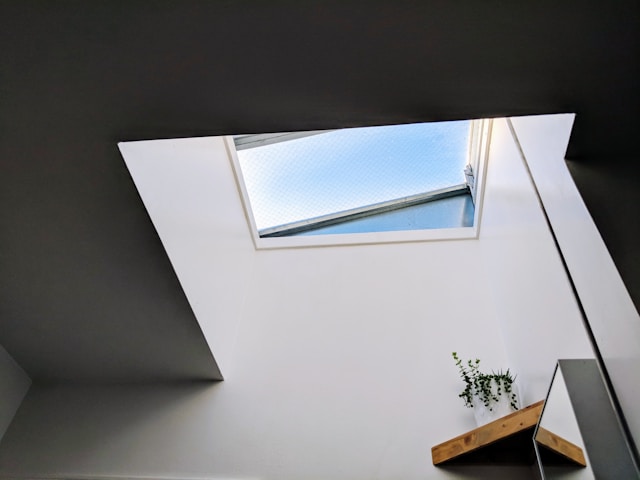
The Product Types Just Aren’t Interchangeable
Tubular skylights, flat skylights and domed skylights all have their place in a job. But picking the wrong one for the job is where most of the problems start, and no matter how good a job the installers do, it can’t make up for getting it wrong upfront. Tubular skylights are the ones that capture daylight and bounce it through a reflective tube. They’re perfect for places like hallways, bathrooms and laundries where the ceiling isn’t directly under the best spot for the roof to catch some sunshine. They give you a nice even light without any direct sun getting in. Flat and domed skylights, on the other hand, let in more direct light and sometimes you get a view of the sky too. Just how much heat gets in along with the light all depends on how the glazing is angled relative to the sun’s path. And then there’s roof windows which can be opened for ventilation something fixed units can’t do.
Perth’s Climate Is A Game-Changer When It Comes To Choosing Your Product
Take a look at the Perth Airport weather records from the Bureau of Meteorology and it’s clear why climate is such a big factor in choosing any skylight for this city. We’re talking about an average of 79 days a year above 30 degrees with January and February being the worst. And it’s no surprise that north-facing roof surfaces during summer are getting a pounding from the sun. So when it comes to choosing a skylight, it’s the solar heat gain coefficient that really matters. It’s what tells you just how much solar energy is getting through the glazing into the space below. The products that do best are ones that let in plenty of light but don’t let in too much heat. And if a product doesn’t take account of this figure explicitly, you can bet it’s going to make a room a lot hotter during summer.
For local skylight installers in Perth, UV-filtering and diffusing domes are a lifesaver, reducing glare and heat gain in a way that products from cooler climates just don’t need to worry about.
What A Proper Installation Actually Entails?
Cutting through a roof isn’t just a case of hammering a few holes and calling it a day. You need to know your rafters, make sure the insulation stays intact and understand what kind of ceiling you’ve got before you even step foot on the roof. And in WA, you’ve got to check if a permit is required before work starts it’s the right order of things to do.
Flashing is the bit that’ll keep water out for good get it wrong and it’s a guarantee of water ingress, often months or years later when the roof starts to shift and a gap that was initially watertight becomes a leak.
What Goes Wrong With Installations?
The occurrence of condensation in a light shaft is an architectural mistake. Due to inadequate insulation, the shaft is cooled down below the dew point of air in the room, resulting in moisture formation at the dome and subsequently staining of ceiling lining. Overspecification is a different sort of mistake; a large open space skylight in a small room causes a glare and overheating issue that can only be solved by the replacement of the skylight.
Ownership Factors
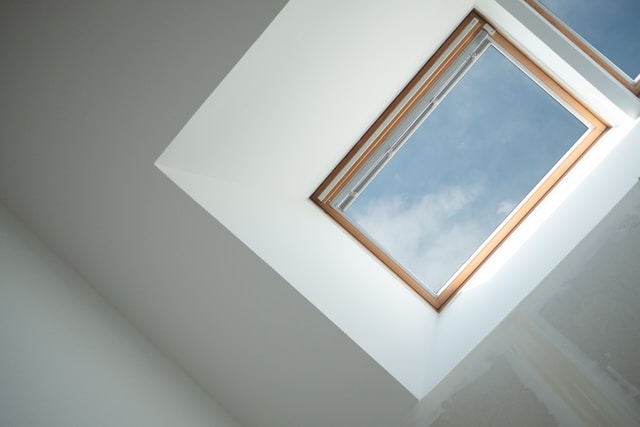
Dust is blown by wind in Perth, accumulating at the domes of skylights and decreasing light transfer. Cleaning will be one of the ownership tasks. Checking of seal and flashing every few years before internal water penetration is much cheaper than fixing the damage to the ceiling. Checking of warranty conditions and availability of the components is time well spent, especially when it comes to skylight installers Perth work where the installation cost matters.