
There are roughly 4,500 reported house fires in NSW each year. Electrical faults & appliances seem to be to blame for some 40% of them, according to NSW Fair Trading. And let’s be real, when you think about Sydney, a city as sprawling & diverse as it is, then house fires aren’t just a problem for some dodgy ol’ house on the fringe. They’re a quiet threat lurking in the background of everyday domestic life until the moment it hits.
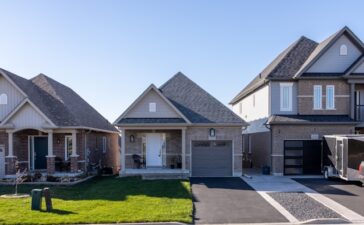
Sydney’s housing stock runs the gamut in terms of wiring, circuit designs & failure points, and it’s not just a matter of some old house here or there. You’ve got Federation terraces in the inner west, 70s era brick veneers down in the south-west, strata apartments in Parramatta, and brand new townhouses on the outer fringes, all carrying different wiring histories, different circuit designs, & different potential failure points. What they all share in common though is that electrical faults in any of them tend to come out of the blue, and usually at wickedly inconvenient hours. When they do, reaching a reliable emergency electrician Sydney quickly is what limits the damage.
The Electrical Emergencies Sydney Homes See Most Often
Sorting out whether the problem falls into a particular category is key to figuring out next steps:
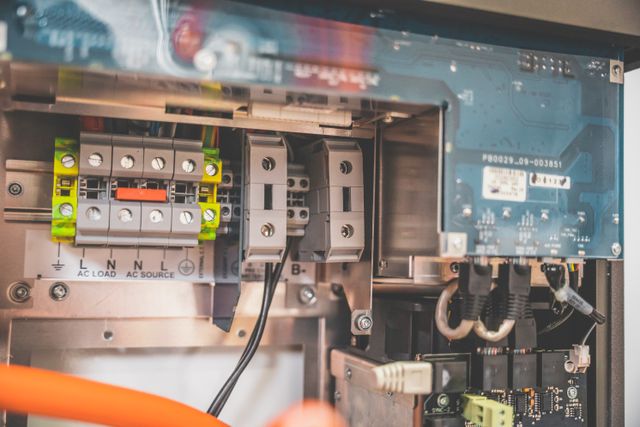
- Total blackout with no tripped circuit breakers on the horizon usually points to a fault at the meter board or something to do with the supply people outside the house.
- Sparking or arcing at a power point or switchboard is a real fire hazard, and the faulty circuit needs to be disconnected at the switchboard ASAP.
- Tripping the safety switch repeatedly once you’ve reset it means a fault on the circuit; it’s not just a one-off thing.
- Water getting into electrical installations after a rainstorm or burst pipes is a ticking time bomb, even after you’ve wrung out the water.
- Damage to outdoor wiring, meter boxes, or weather heads after a storm will have your power shut off for the whole premises.
Working out the category is pretty important, especially at 11 o’clock at night when your options are few & far between.
Why Sydney’s Older Housing Stock Carries More Risk Than It Looks?
Homes in Sydney built before 1990 may have dodgy wiring that’s older than most changes to the Australian safety standards. You only had to look at the ceramic fuse boards that were used in the 70s & 80s for example. Ceramic fuse boards protect against overcurrent when a circuit is drawing more power than it should, but they don’t offer the same level of residual current protection that an RCD (residual current device) does.
Homes that have been extended or renovated over the years have got a bit of a wiring history, with bits & bobs added on over the decades & often not done with the right oversight. Each renovation just adds more stress to the system, & if some work was done without a proper licence, there could be faults sitting there just waiting to strike, years after the event. And it’s the same with a switchboard that’s been bodged up over time, every new appliance you add just brings it closer to the point of failure.
What Happens When a 24/7 Emergency Electrician Arrives in Sydney?
It is important to emphasise that the first 10 minutes of the after-hours call-out can be crucial. Before conducting repairs, a proper safety assessment of the problem should be carried out: identifying the type of fault, checking whether there is a need to keep the power off and deciding whether the problem lies within the property wiring or concerns the supply authority infrastructure.
There are some faults that can be identified and fixed during one call-out. The most typical example is a tripped safety switch and a faulty appliance on the circuit. The problem in wiring that can be concealed behind the wall will require isolation and a return visit to replace the required parts. Some types of work require a notification of the supply authority and it is impossible to bypass that requirement according to NSW regulations.
Strata and Apartment Emergencies: Who Actually Handles What
The strata buildings share responsibility for electrical services between common property and lots and, sometimes, faults do not fall into these categories easily. According to the NSW Government advice, the owners corporation is responsible for common property and lot owners are responsible for their property based on the strata plan.
The power loss in one of the units can appear due to faults either in the lot’s internal wiring or in the common property risers servicing the units. Identifying which means accessing some areas that cannot always be accessed by the lot owner independently. Calling the strata manager about the fault right away instead of the next business day is the quicker way to solve the problem and access the required areas.
Commercial Premises After Hours: The Cost of Electrical Downtime
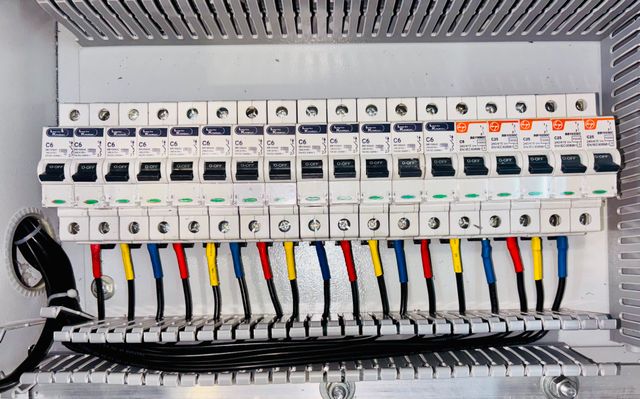
After-hours call-out for the business premises that lost power on Friday evening or on the holiday when the retail premises’ lighting stops working means not only repairing. The scope of the work on commercial sites usually takes longer compared to residential and is done in another priority order: it involves emergency lighting compliance, three-phase circuit faults, and restoring supply before the next trading day.