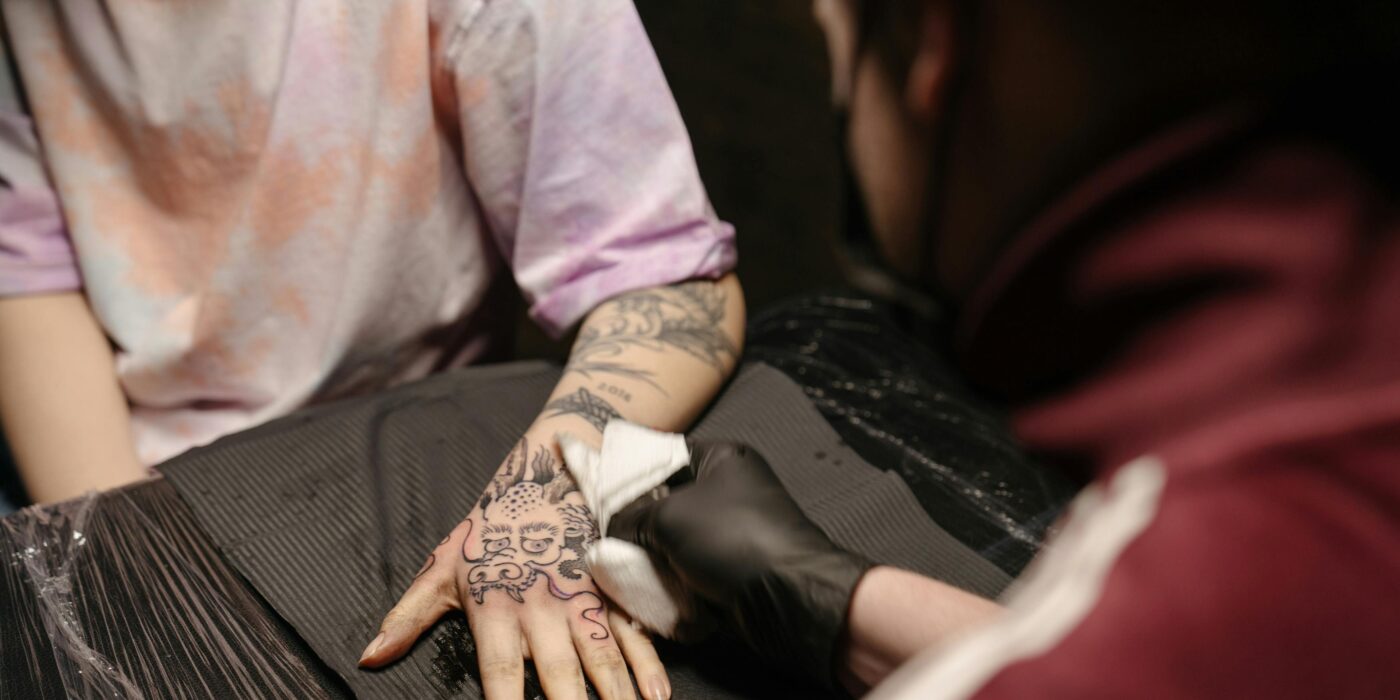

Tattoos can be a beautiful form of self-expression, but what happens when that ink no longer feels like you? Whether it’s a design that has lost its meaning or simply a change in taste, the journey of removing unwanted tattoos can be both exciting and daunting. If you’ve decided to make this transition, understanding the process and how to care for your skin afterward is essential. Let’s dive into everything you need to know about healing after ink removal—because saying goodbye to old ink shouldn’t come with unnecessary complications.
The Process of Laser Tattoo Removal
Laser tattoo removal is a precise technique designed to break down ink particles. During the procedure, specialized lasers target the tattoo’s pigments without harming surrounding skin. With lazer wizard tattoo removal insights, you can better understand how advanced laser technology works, what to expect during sessions, and how proper aftercare supports safe healing and effective fading of the tattoo over time.
The process involves multiple sessions, depending on factors like ink color and size. Each pulse of the laser releases energy that shatters the ink into smaller pieces. Your body then naturally eliminates these fragments over time.
Patients often feel a sensation similar to a rubber band snapping against their skin. To manage discomfort, numbing creams are typically applied beforehand.
After each session, your skin may appear red or swollen but this is completely normal. Healing usually takes several weeks before another treatment can be scheduled. It’s essential to follow aftercare instructions for optimal results as you progress through the journey of removing unwanted ink.
The Importance of Choosing a Qualified Professional
Selecting a qualified professional for tattoo removal isn’t just a choice; it’s essential for your safety and satisfaction. The skills of the technician can greatly influence the outcome.
Experience matters significantly. A skilled practitioner knows how to handle different skin types and ink colors, ensuring effective treatment while minimizing risks. Look for someone with specialized training in laser technology.
Certification is another critical factor. Verify that the professional has received proper education and adheres to industry standards. This adds an extra layer of trust.
Read reviews from previous clients too. Their experiences can give insight into the quality of service provided, helping you make an informed decision about whom to trust with your skin.
Choosing wisely can prevent complications down the road, leading to better results and a more comfortable healing process. Prioritize expertise when making this important choice; it pays off in many ways.
Aftercare Tips for Successful Healing
After your ink removal session, proper aftercare is crucial for successful healing. Start by keeping the treated area clean and dry. Use a gentle cleanser to wash it, but avoid scrubbing.
Moisturizing is essential too. Apply a thin layer of recommended ointment or moisturizer to keep the skin hydrated. This can help reduce scabbing and promote quicker healing.
Avoid soaking in water for at least two weeks. Steer clear of pools, hot tubs, and even prolonged showers during this period.
Sun exposure can damage healing skin. Always apply sunscreen if you need to go outdoors; consider wearing protective clothing as well.
Be mindful not to pick or scratch the area, as tempting as it might be. Let scabs fall off naturally to minimize any risk of scarring.
Stay hydrated and maintain a healthy diet; these factors play an important role in overall skin health during recovery.
Common Side Effects and How to Manage Them
After undergoing ink removal, it’s essential to be aware of potential side effects. Common reactions include redness, swelling, and some discomfort in the treated area. These are usually temporary but can vary from person to person.
To manage these side effects effectively, start by applying a cold compress to soothe any inflammation. Over-the-counter pain relievers like ibuprofen can also help alleviate discomfort. Keeping the area clean and moisturized is equally important; consider using an antibiotic ointment as recommended by your professional.
Avoiding sun exposure is crucial during the healing process. If you must go outside, wear protective clothing or use a broad-spectrum sunscreen once the skin has healed sufficiently.
If you notice any unusual symptoms—such as excessive blistering or signs of infection—reach out to your tattoo removal specialist promptly for advice and assistance.
Understanding how to navigate post-treatment care will not only enhance your healing experience but also maximize the successful fading of your tattoo. With proper attention and care, you’ll be on your way to enjoying clear skin once again.